
Industrial Structural Engineering • Orange County
Structural supportfor industrial equipment.
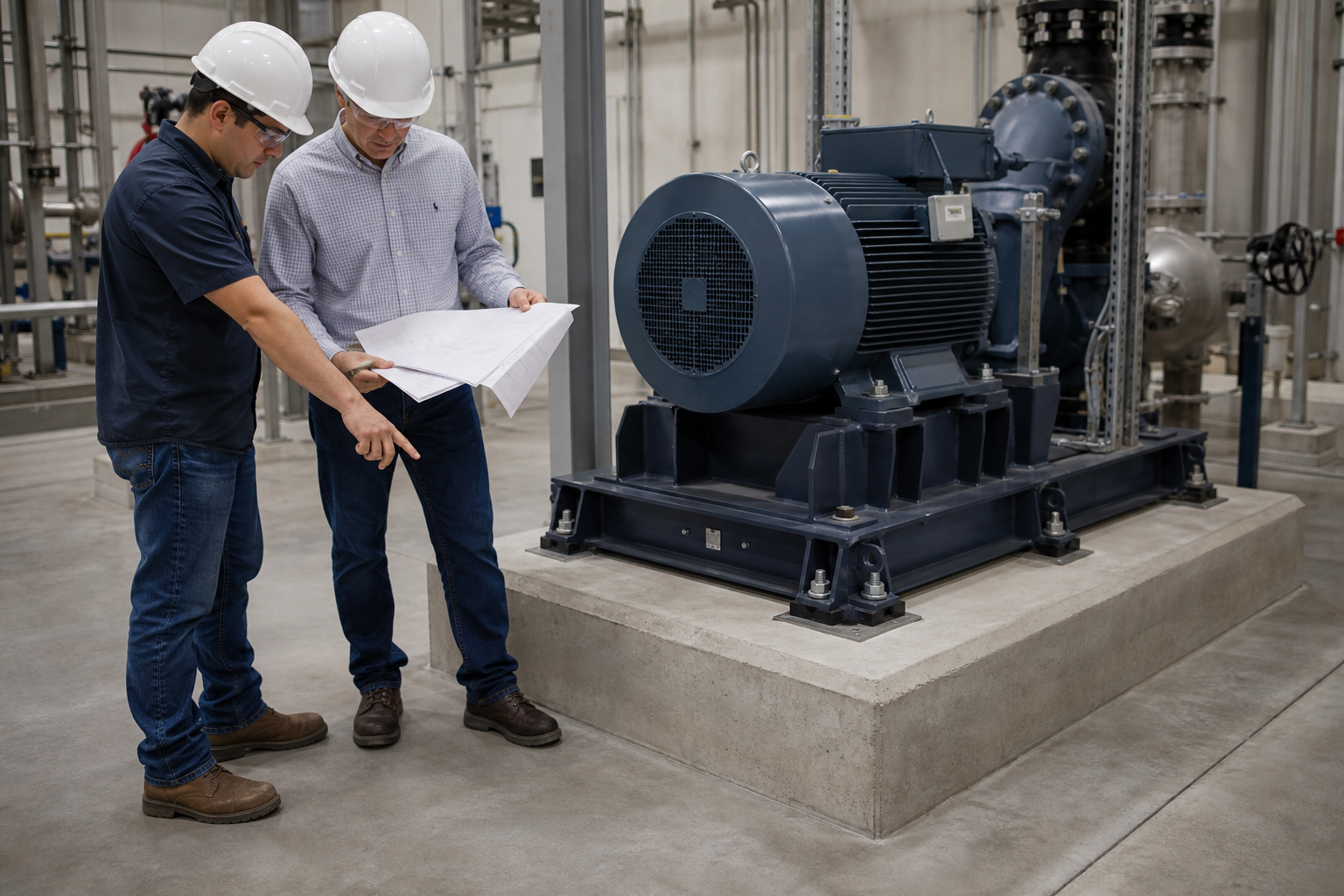
Installing new equipment? Check whether your slab or structure can support it, with foundation and anchorage design when needed.
Service scope
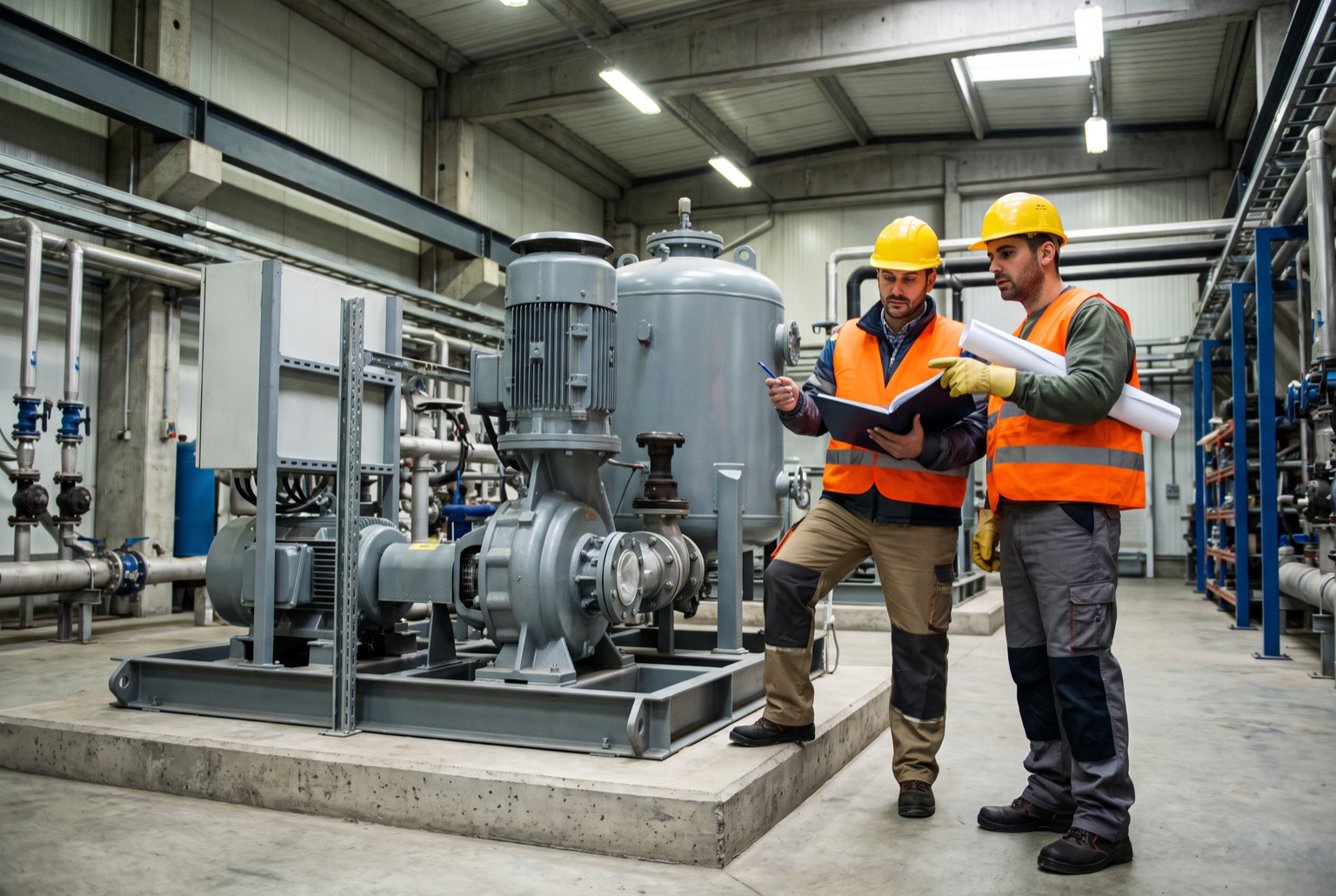
Check the building, slab, foundation, or platform against the actual load
The analysis is based on verified loads, accessible conditions, and the proposed operation.
- 01Evaluate building, slab, foundation, or platform capacity
- 02Design equipment foundations, pads, supports, framing, and anchorage
- 03Design warehouse or manufacturing modifications, including openings and mezzanines
- 04Resolve vendor, building-system, access, and installation requirements

Project deliverables
Give the facility, vendor, and installer the same structural requirements
The proposal identifies whether the team receives findings, permit design, or installation support.
- Capacity findings with documented criteria and assumptions
- Foundation, anchorage, framing, and connection details
- Calculations tied to documented vendor loads
- Stamped drawings, permit responses, or field revisions when included
A clear path forward
Define the load before designing the support
01 Step
Gather facility and equipment data
Provide existing drawings, equipment cutsheets, reactions, anchorage needs, operating conditions, and photographs.
02 Step
Verify and engineer
NBE reviews available conditions, identifies missing information, and develops the applicable structural design.
03 Step
Coordinate installation and review
The documents move into permitting or construction, with vendor and field coordination as included in the scope.
Resolve missing load and support information before installation
Industrial work depends on traceable vendor data and clear responsibility across the facility, supplier, and installation team.
- Consider concentrated, moving, vibration, and anchorage demands when data is supplied
- Document vendor reactions and responsibility boundaries
- Surface existing-building and access limitations
- Identify design assumptions the team must verify
Client experience
What clients say
“Their quality of work and customer service is excellent.”
“They were very responsive, helped me salvage what I could from the previous firm, and provided the expertise and knowledge needed to finish the job quickly and efficiently.”

Questions
Frequently asked questions.
What equipment information is needed?
Useful inputs include manufacturer drawings, dimensions, weights, support reactions, anchorage requirements, operating loads, vibration data, and installation constraints.
Can NBE evaluate an existing slab or structure?
Yes, when sufficient information about the existing construction and proposed loads can be established. Investigation or field verification may be needed before a conclusion is possible.
Do you design equipment foundations and support platforms?
NBE can design foundations, pads, platforms, framing, and connections for defined equipment loads and site conditions.
Can operations continue during structural work?
Construction sequencing and access should be developed with the owner and contractor. NBE can coordinate structural design around known operational constraints but does not promise uninterrupted operation.
Can design begin before the equipment vendor is finalized?
Preliminary criteria may support planning, but final support and anchorage design generally require confirmed dimensions, weights, reactions, operating loads, and attachment requirements. Changes to vendor data can require redesign.
What should I send first?
Send the facility address, existing plans, photographs, a description of the change, equipment data, desired installation date, and any permit comments.